

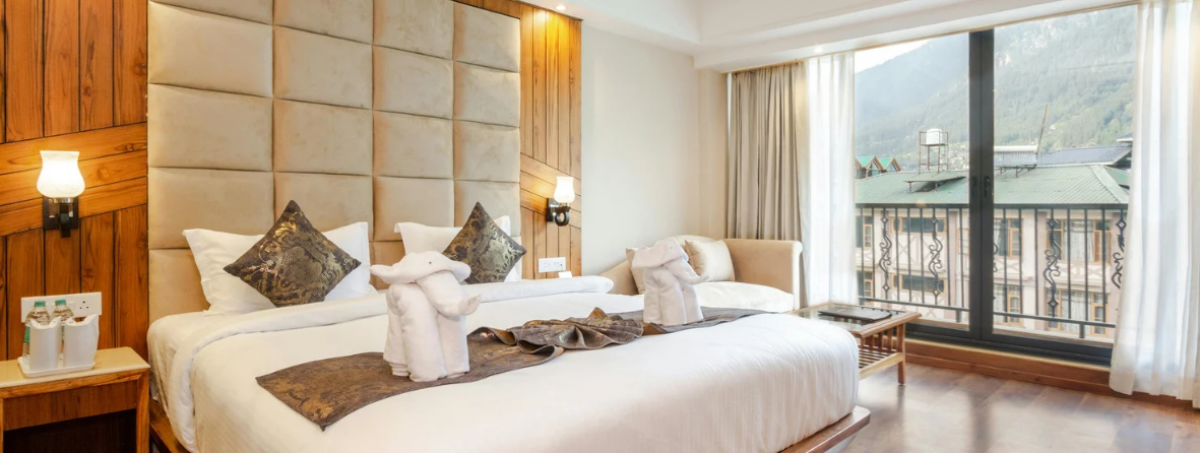
Crowe’s Hospitality, Tourism and Leisure Market Update, published in April 2026, records €1.7 billion in Irish hotel transactions in 2025, led by the €1.4 billion sale of the Dalata Group. A further 66 hotels changed hands during the year across Dublin and regional markets. The same update finds that three-quarters of hotels plan capital expenditure on guestrooms, food and beverage, and public areas. For fit out companies in Ireland, investor confidence and operator investment are pointing at the same interiors.
Hotel fit out runs on a different clock from office work. Programmes are phased around live trading, guestrooms are refurbished in repeatable batches, and the brief is led by brand standards as much as by design. Fit out contractors that treat a hotel as an operating business, and plan access, noise, and handover around guests, will be preferred partners for owners repositioning newly acquired assets and refreshing established ones.
Operator intentions confirm the direction. The Irish Hotels Federation’s annual survey, reported in February 2026, found that 61% of hotels plan guestroom refurbishment and 47% plan upgrades to restaurants, bars, and common areas, while 53% plan to increase sustainability investment. Each category is a distinct interior fit out scope, from bedroom batches to hospitality-grade public space, giving contractors several entry points into the same property across a single investment cycle.
The direction of capital also favours fit out. Bank of Ireland’s 2026 hotel outlook notes that owners are redirecting capital from large new builds towards refurbishment, energy efficiency, and guest experience upgrades, with a stronger focus on asset life extension. Refurbishing an operating hotel rewards the same interior architecture, material specification, and design and build coordination that fit out companies already apply to commercial interiors.
Standards give the brief structure. Fáilte Ireland’s accommodation research provides the national evidence base for hotel stock and investment, while the National Disability Authority’s Universal Design guidelines shape accessible guestroom and public-area design. BREEAM Refurbishment and Fit Out offers owners a recognised route for sustainability-led upgrades, and contractors who deliver it alongside brand standards offer owners one coordinated interior package that simplifies procurement and programme control.
Three actions position fit out companies to serve this pipeline. First, develop a repeatable guestroom programme methodology covering sample rooms, batch sequencing, and handover to operations, so owners can see how a portfolio of rooms will be delivered at consistent quality. Second, build relationships with the hotel groups, asset managers, and brand design consultants who commission repositioning work after an acquisition. Third, build a portfolio of public-area and food and beverage fit out delivered in trading hotels, showing phasing, noise control, and guest-safe working practices.
Ireland’s hotel sector is attracting record investment and planning further refurbishment, and each programme is an interior brief the fit out industry is built to deliver. Fit out companies that combine commercial interior design, repeatable delivery, and operational awareness will find a pipeline anchored in investor confidence and repeat commissions from hotel groups. Hospitality interiors within the built environment reward practitioners who treat the guest experience as the measure of success.























.png)