

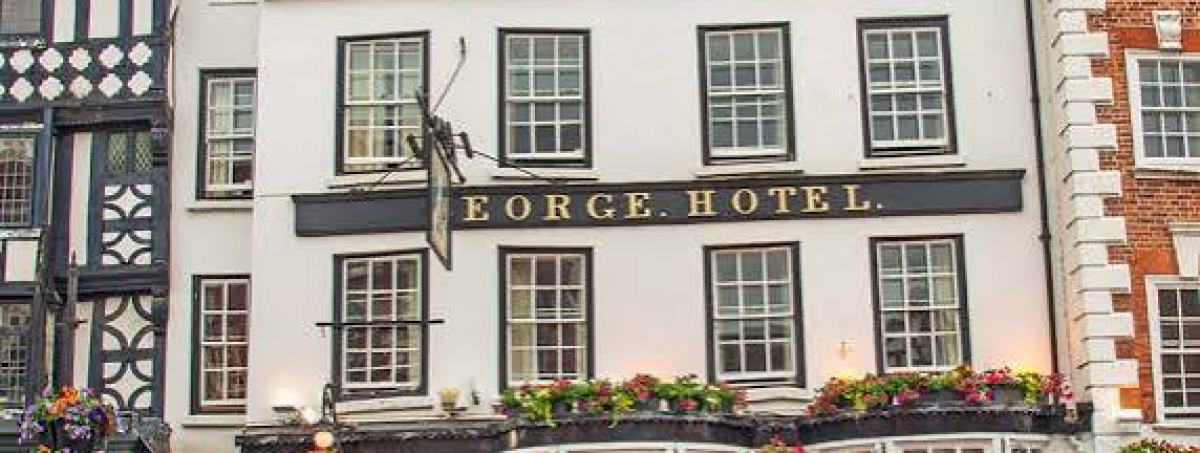
JD Wetherspoon has confirmed a £464,000 refurbishment of The George Hotel on Load Street in Bewdley, Worcestershire, covering staffroom, kitchen and cellar upgrades. Planning permission for the works was approved on 28 July, with contractors expected on site this autumn.
JD Wetherspoon plc, headquartered in Watford and listed on the London Stock Exchange, operates around 794 pubs and 56 hotels across the UK and Ireland. The group reported revenue of £2.13 billion and pre-tax profit of £81.4 million for the year to July 2025.
The George Hotel is a Grade II listed building first recorded in Bewdley's parish register in 1609, when it traded as The St George Inn before dropping the saint's name after George I's accession in 1714.
The works are described in planning documents as modest in scale, confined largely to the back of house cellars and operational bar zone, with no extensions or alterations proposed to the primary structure or principal historic spaces.
The programme includes a staffroom upgrade, dispense upgrade, kitchen upgrade, new carpet, bar repairs, flooring repairs and cellar repairs, alongside general maintenance, repair and services upgrades and minor alterations to existing fittings.
The structural driver is heritage constrained maintenance investment, sustaining the long term viable use of a centuries-old listed building rather than expansion or new site development.
"We are looking to complete a repair and refurbishment scheme in Bewdley which will include a staffroom upgrade, dispense upgrade, kitchen upgrade, new carpet, bar repairs, flooring repairs and cellar repairs for £464,000," said Eddie Gershon, spokesman for JD Wetherspoon.
The pre-application meeting for the scheme was booked for the end of June, with the plan subsequently approved on 28 July and workers expected on site during the autumn.
For the sector, the Bewdley scheme reflects how pub and hotel operators are prioritising targeted maintenance of historic buildings over structural alteration to preserve long term operational viability.
Source: Kidderminster Shuttle / Historic England / Wikipedia


























.png)